“Manual physical therapy techniques” refer to professional exercises administered to people suffering from physical pain. They are generally used as part of a comprehensive recovery plan for certain conditions (neck pain, frozen shoulder, sciatica, and even sports injuries, among many other conditions).
However, it’s important to understand everything about manual physical therapy and see how it can improve your quality of life.
What Is Manual Physical Therapy?
We use the term “manual physical therapy” to refer to specialized techniques performed by physical therapists. The hands are used to treat all types of restrictions in muscles, joints, or fascia (among other soft tissues). When applied, this approach can gradually reduce pain, especially when combined with other exercises.
Soft Tissue Mobilization Techniques
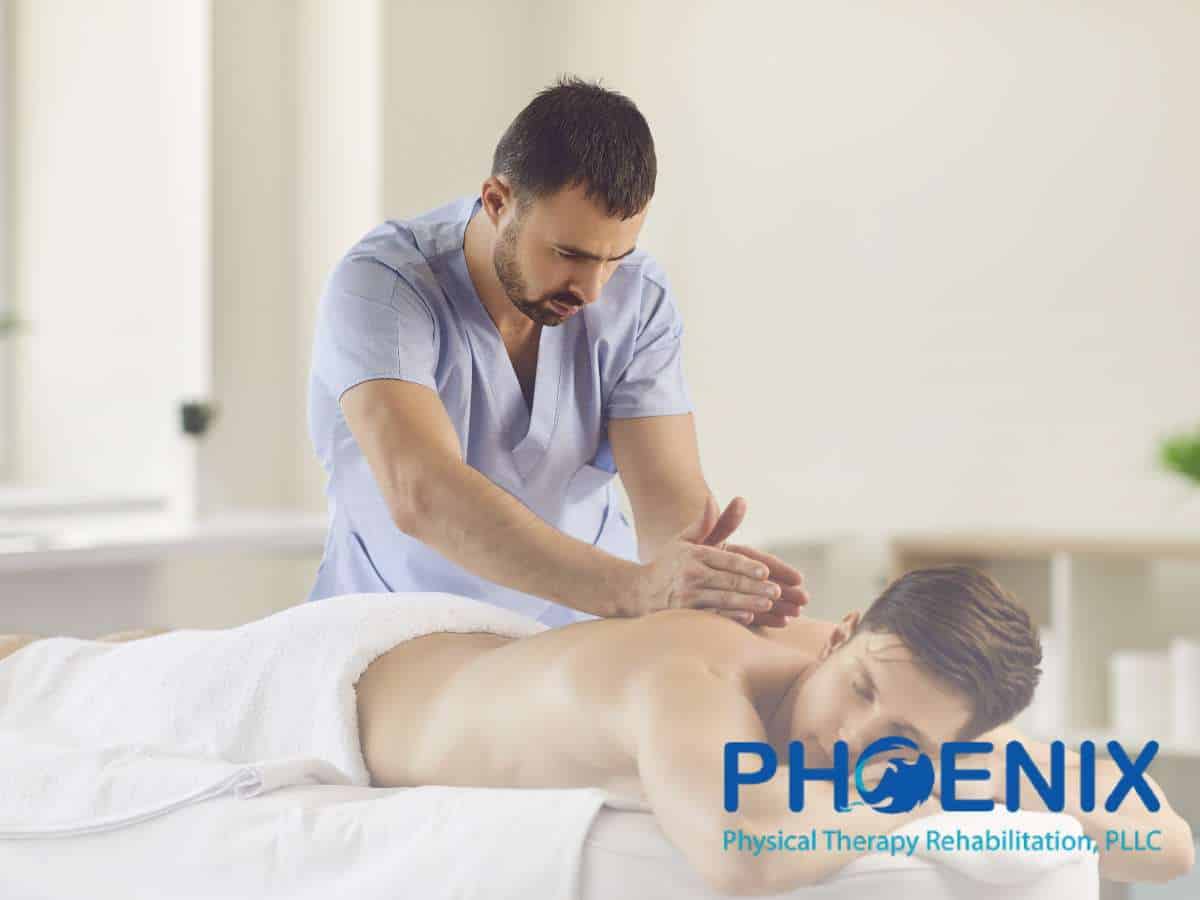
Have you suffered a sports injury or even an injury in your daily life? You may experience tension or stiffness in your soft tissues. This can be alleviated with the right techniques.
Soft Tissue Mobilization and Myofascial Release
Soft tissue mobilization occurs when very controlled pressure is applied to muscles or tendons, for example. This is done to help you regain mobility.
At the same time, a process known as “myofascial release” may occur. It is a technique for releasing tension that has built up in the fascia (the tissue surrounding muscles and joints). It can reduce pain.
Strain-Counterstrain
If you request it, a therapist will carefully position the affected area in a comfortable position for a short period of time. As a result, the neuromuscular system naturally reduces the pain response.
Trigger Point Therapy
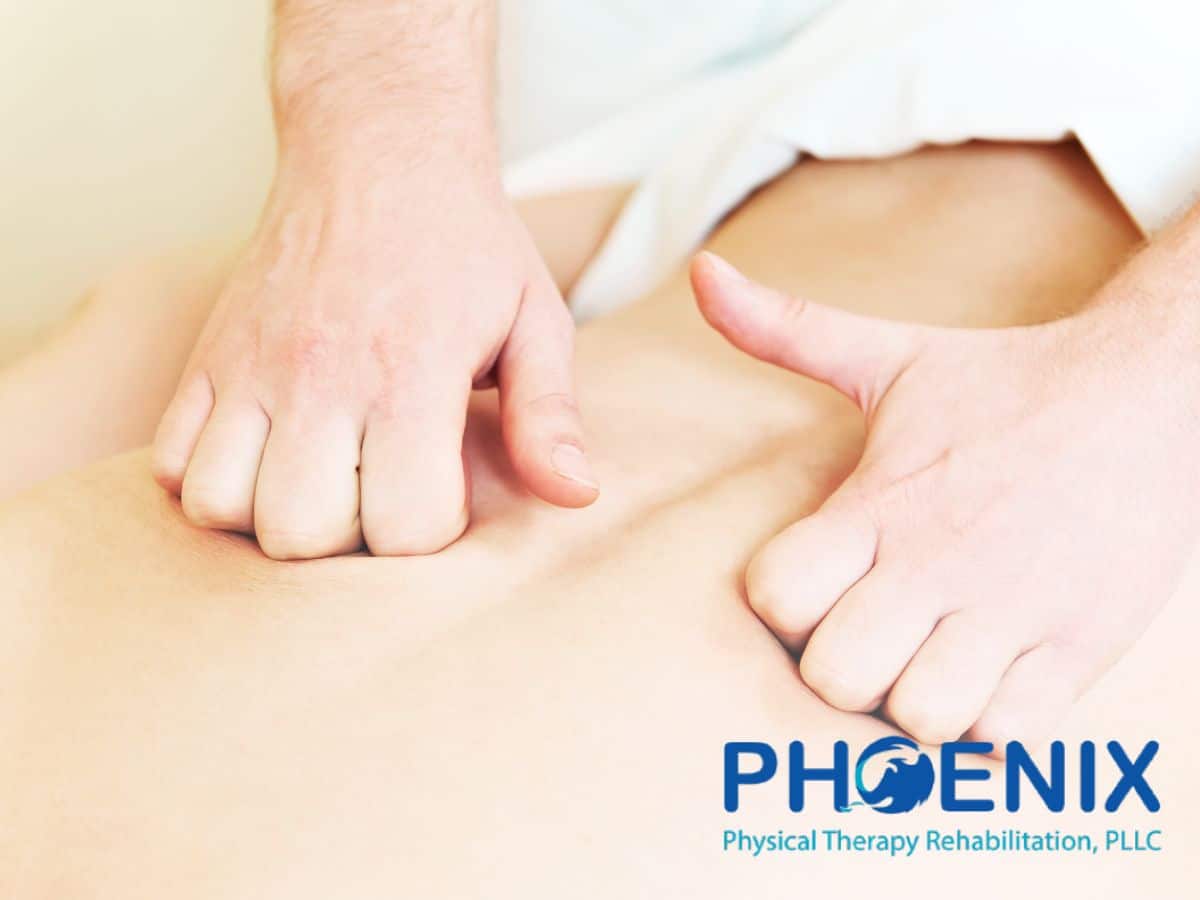
You might be wondering, “What are trigger points?” Basically, they are small areas within a muscle that remain contracted. They can cause both localized pain and pain that radiates to other parts of the body. With this manual therapy technique, the therapist will apply controlled pressure to these points. The goal is to relax them so that you can achieve a more natural range of motion.
Joint-Focused Manual Therapy Techniques
Is the problem mainly in the joints? In that case, manual therapy can help restore lost range of motion.
Joint Mobilization
Joint mobilization involves performing gentle, controlled movements repeatedly. It allows for a gradual increase in range of motion without causing unnecessary discomfort.
It is recommended when there is stiffness or pain, especially following injuries or surgeries.
Joint Manipulation (High-Velocity, Low-Amplitude Thrust)
This is another joint pain treatment you should know about. It involves rapid, low-amplitude movements. The goal is to restore mobility to specific joints. Don’t be alarmed if you hear a “cracking” sound—it can sometimes happen. However, this is not the main objective of the procedure.
This technique is used especially when a joint has a specific restriction that doesn’t respond to gentler methods. However, a specialist must perform a clinical evaluation to determine whether or not you’re a good candidate for this treatment.
The specialist will rule out factors such as recent fractures, advanced osteoporosis, certain joint or neurological diseases, and other conditions that might make another type of treatment more appropriate.
Muscle Energy Technique (MET)
Muscle Energy Technique (MET) is characterized by the patient’s active participation in response to resistance applied by the therapist. During the procedure, the patient performs gentle muscle contractions. At the same time, the therapist controls the movement to improve joint mobility and reduce muscle tension.
It is also often used to complement other hands-on physical therapy techniques when the goal is to restore functional movement.
Other Hands-On Techniques Your Therapist May Use
Sometimes, the therapist may incorporate other manual techniques to complement the rehabilitation plan. It all depends on how the patient responds to certain manual therapies.
Manual Traction
This is a technique that involves applying gentle but controlled force to separate the articular surfaces. It is often helpful for people seeking manual therapy for back pain, for example. It is used in conjunction with therapeutic exercises and movement education.
Conditions Manual Therapy Commonly Treats
A wide variety of musculoskeletal conditions often respond well to manual therapy techniques. These include, primarily:
- Lower back pain.
- Neck pain.
- Sciatica.
- Frozen shoulder.
- Tendinitis.
- Plantar fasciitis.
- Sports injuries.
- Post-surgical recovery.
- Joint stiffness.
- Persistent muscle pain.
To find the best treatment for you, see a specialist.
Instrument-Assisted Soft Tissue Mobilization (IASTM)
Pressure is applied in a specific manner to improve tissue mobility. Although it uses instruments, it is still considered a manual technique. The reason is simple: the treatment depends on the therapist’s clinical judgment and control.
Joint Mobilization vs. Manipulation: What’s the Difference?
Don’t know the differences between joint mobilization vs manipulation?
| Joint mobilization | Joint manipulation |
| Involves slow and controlled movements. | The movements are quick and have a limited range of motion. |
| The goal is to gradually increase the range of motion. | The goal is to restore mobility as quickly as possible. |
| It’s usually much gentler on the patient. | Although it isn’t aggressive, it can produce a “cracking” sound. |
| It’s used on many different patients. | It’s only recommended if you meet certain criteria. |
Remember that the therapist will determine which of these techniques is most appropriate based on the diagnosis, the joint’s mobility, and the patient’s overall condition.
How Your Physical Therapist Chooses the Right Technique
The best way to find out is to see a specialist. They will review everything from your medical history to your symptoms to determine the possible cause and how to address your issues.
Is Manual Physical Therapy Safe? What the Research Says
The risk of experiencing serious adverse effects from manual therapy performed by licensed professionals is very low (approximately 0.13%), according to the NIH/NCBI. In other words, it is safe compared to common pharmacological treatments for pain (such as nonsteroidal anti-inflammatory drugs or opioids).
Possible mild reactions, which appear within the first 24 hours and resolve between 24 and 48 hours later, may include:
- Mild muscle soreness or discomfort in the treated area (similar to post-exercise stiffness).
- Transient fatigue or tiredness.
- Mild headache (especially following techniques targeting the cervical or upper thoracic spine).
However, according to the NCB’s clinical screening protocols, to prevent risks, physical therapists must conduct a thorough assessment for red flags before performing joint manipulation. They must prevent two high-risk situations:
| Type of risk | Example |
| Absolute contraindication (do not perform the procedure) | Severe osteoporosis or bone fragility, active or non-union fractures, severe spinal instability, bone/joint infections (osteomyelitis), bone tumors or metastases, or severe vascular diseases (aneurysms, suspected arterial dissection). |
| Pre-procedure evaluation and proceed with caution | Long-term use of anticoagulants, pregnancy, hypermobility or Ehlers-Danlos syndrome, herniated discs with acute radiculopathy. |
For this reason, a professional evaluation is always the first step before beginning any treatment.
Frequently Asked Questions About Manual Physical Therapy
Here are some common questions on this topic.
Does Manual Therapy Hurt?
Most techniques involve tolerable pressure. During the treatment, some patients may experience slight pain, although this normally passes quickly.
How Many Meetings Will I Need?
Your goals, the degree of the harm, the diagnosis, and your response to therapy all play a part.
Is It Possible to Do Manual Therapy at Home?
No, only specialists with the necessary training are allowed to employ manual methods. On the other hand, you can learn free at-home exercises from your therapist.
Can Back Pain Be Treated with Manual Therapy?
Indeed. When used in conjunction with therapeutic exercise, it can help many people with lower back pain feel less discomfort and have more mobility.
Is Manual Therapy Beneficial Following Surgery?
Indeed. Restoring range of motion, lowering stiffness, and easing the return to regular activities are all common components of rehabilitation.
Is Manual Therapy Only for Athletes?
No. While sports physical therapy exists, people of all ages and fitness levels can benefit from these techniques.
Find Manual Physical Therapy in Brooklyn, Rosedale, and Dix Hills
How do you choose the right technique? Simple—with a professional evaluation. You need to understand what’s causing your symptoms and how to relieve them, while finding a comprehensive, long-term solution.
If you’re looking for “manual therapy near me” in Brooklyn, Phoenix Physical Therapy & Rehab can help. See what our patients have to say:
| Absolutely recommend! I came in with back pain from a degenerated disc and felt like I was just managing pain. My PT helped me understand the root cause, rebuild strength and stability, and actually move toward long-term back health and not just temporary relief. Thanks doc! | Highly satisfied with the services provided. A very welcoming place with snacks and Dr. Kirolos always answers my calls. He keeps it very professional and I have seen improvements in my own health. I would 100% recommend him. Thank you | Dr Kris is hands down the best physical therapist I’ve ever had. He has good bed side manners and amazing character. I feel cared for and the healing process after my surgery was made easier because of him! I recommended phoenix therapy to everyone. |
| Alex Rivera ★★★★★ | Andy Sosa ★★★★★ | Stavroula Benetatos ★★★★★ |
We look forward to seeing you at any of our clinics in Brooklyn, Rosedale, or Dix Hills. Call us now at (347) 733-1916 or contact us online to schedule an evaluation today.

Phoenix Physical Therapy
Rosedale Location
23520 147th Avenue, Suite 1,
Rosedale, NY, 11422
Brooklyn Location
7510 4th Ave., Suite 3,
Brooklyn, NY, 11209
Phone: (347) 733-1916